Property briefing
Property and Land Use
Land, deed restrictions, zoning, lot expectations, improvements, and buyer due diligence in North Port Estates.
Property flexibility is one of the reasons buyers pay attention to North Port Estates. Larger lots, privacy, and a less conventional neighborhood feel can make the area attractive for people who want more room around their home or land.
That does not mean every property can be used the same way. Buyers should verify recorded restrictions, zoning, permitted uses, improvement rules, access, utilities, and buildability before assuming a parcel fits their plans.
Property due diligence
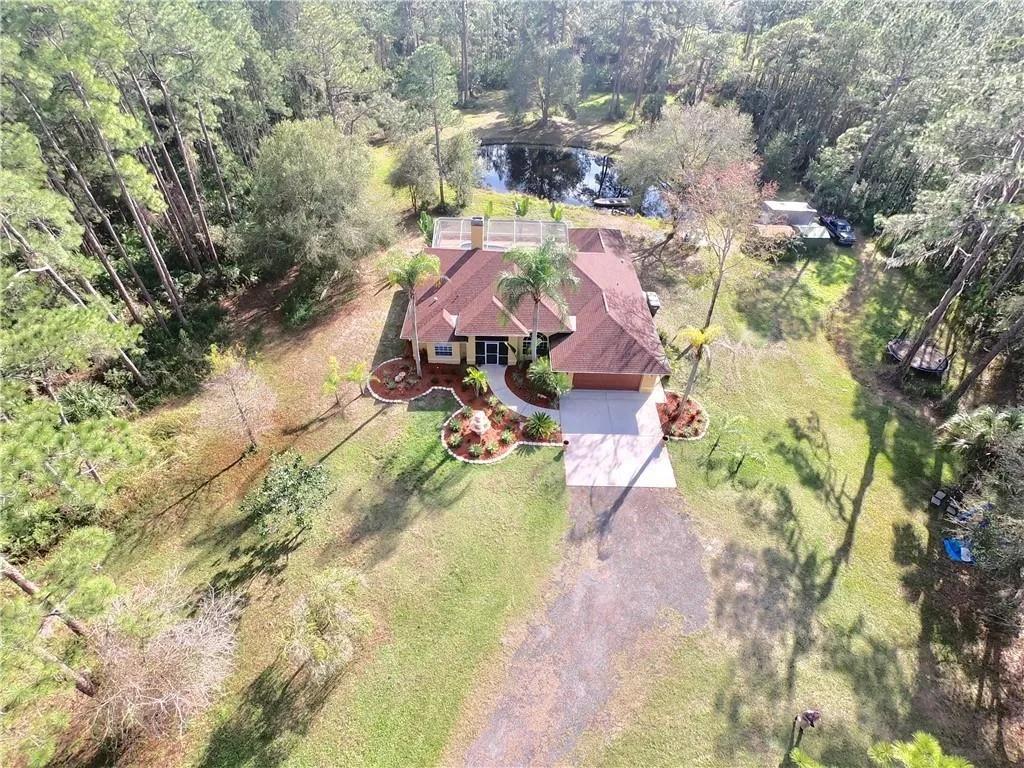
Flexibility should be verified, not assumed.
Use this guide to form better questions before buying land, comparing homes, planning improvements, or relying on a general impression of the neighborhood.
Use this section before assuming a property supports animals, RVs, outbuildings, fencing, or future improvements.
Deed restrictions, zoning, permitting, and buildability can vary by parcel and should be verified.
The due-diligence path changes depending on whether improvements already exist.
Start Here
- HOA and Deed Restrictions for association and recorded-restriction questions
- Zoning in North Port Estates for allowed-use and verification framing
- Buying Land vs Buying a House for the different due-diligence paths between vacant land and existing homes
Guides in This Section
HOA and Deed Restrictions
Start here if you are trying to understand how neighborhood flexibility can still come with recorded restrictions, local rules, or parcel-specific limits.
Zoning in North Port Estates
Use this page to think more carefully about allowed uses, parcel differences, and why official verification matters.
Lot Sizes, Home Types, and Land
Use this page to understand the variety of lot patterns, homes, and land expectations in the area.
Building Sheds, Fences, and Outbuildings
Use this page if your ownership plan includes improvements, accessory structures, fencing, or other property-use questions.
Buying Land vs Buying a House
Use this page to compare the risks, unknowns, and practical steps involved in vacant land versus an existing home.
Common Buyer Questions
Is North Port Estates really as flexible as it looks?
It may offer more room and a less standardized feel than many nearby subdivisions, but every parcel still needs its own review. Recorded restrictions, zoning, permitting, utilities, access, and buildability can all change what is practical.
What should I verify before assuming a property allows my intended use?
Start with deed restrictions, zoning, setbacks, permitted uses, drainage, access, utility placement, and any improvement rules. Then confirm the details with official sources and qualified local professionals before treating the use as allowed.
Is vacant land simpler or more complicated than buying an existing home?
Vacant land can look simpler because there is no house to inspect, but it often has more unknowns. Read Buying Land vs Buying a House before assuming a vacant parcel is easier.
What should I ask before planning fences, sheds, outbuildings, animals, RVs, or equipment?
Ask whether the use is allowed, where it can go, whether permits or setbacks apply, how it interacts with drainage and utilities, and whether access works for daily use. Building Sheds, Fences, and Outbuildings is the best next page.
Where to Go Next
After this section, most buyers continue to:
- Utilities and Infrastructure for well, septic, internet, roads, and service expectations
- Flood, Environment, and Storms for drainage, insurance, and storm-readiness questions